
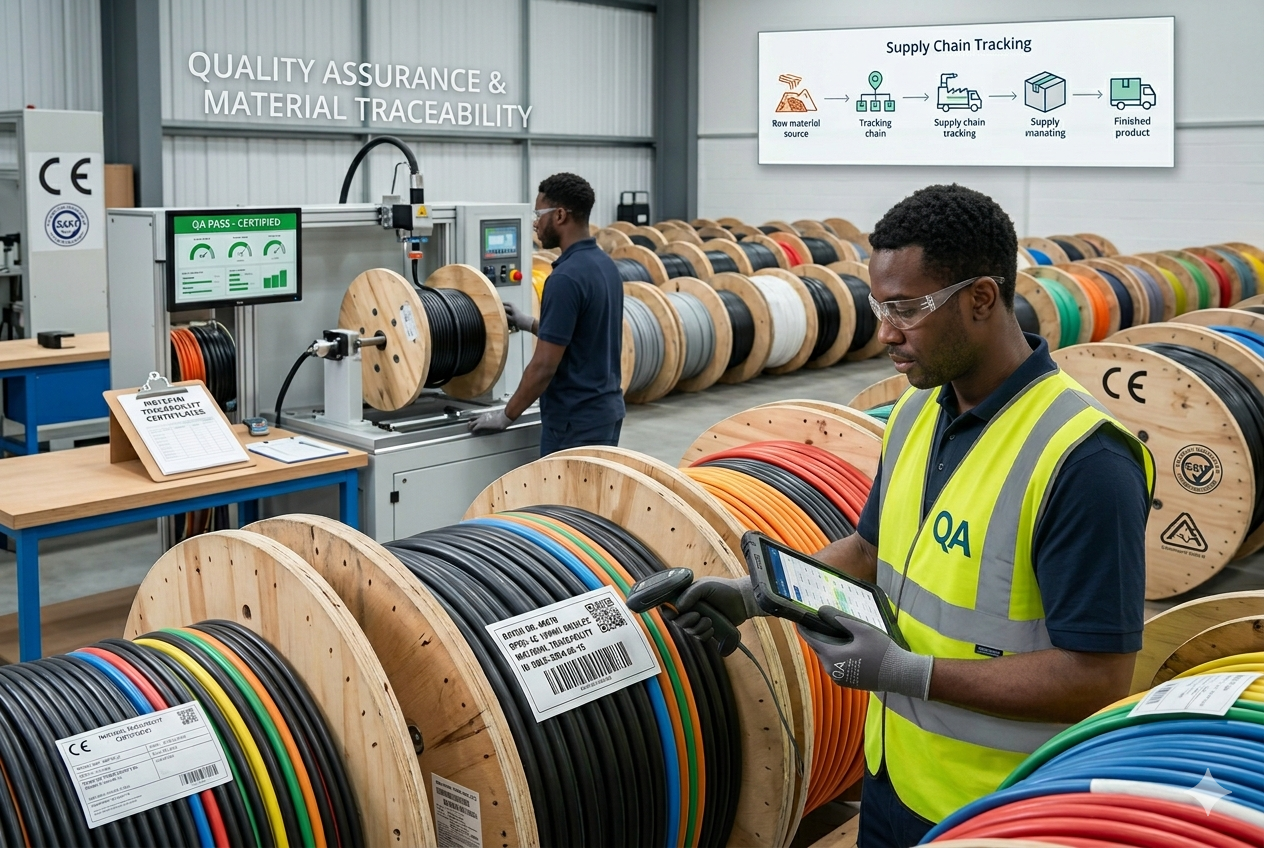
Quality Assurance and Material Traceability in Electrical Cable Supply
In modern electrical infrastructure projects, compliance is determined not only by the technical specifications of the cable itself but also by the reliability and traceability of the manufacturing and supply chain process. Electrical engineers, contractors, and regulatory authorities require verifiable documentation confirming that conductors meet recognized quality and performance standards.
A structured quality management system ensures that electrical materials used in installations meet internationally accepted benchmarks for manufacturing consistency, material purity, and regulatory compliance. Many reputable manufacturers therefore operate under frameworks such as the ISO 9001:2015 quality management standard, which provides a globally recognized system for quality control, documentation, and process accountability.
For electrical infrastructure projects in Nigeria, quality verification is particularly important because installations must comply with the technical requirements enforced by national regulatory institutions such as the Standards Organisation of Nigeria and the Nigerian Electricity Management Services Agency.
Material Traceability and Certification
Traceability ensures that every cable supplied for an electrical installation can be linked to its original manufacturing batch and technical test documentation. This process allows engineers and auditors to verify that the conductor materials used in a project meet the expected performance specifications.
Typical traceability documentation includes:
- Material Test Certificates (MTCs) identifying production batches
- Conductor material composition reports confirming copper or aluminum purity
- Manufacturing compliance documentation referencing applicable electrical standards
- Factory inspection reports validating quality control procedures
These records allow engineers and project managers to confirm that the materials used in an installation meet the required electrical safety standards and engineering specifications.
Copper Purity and Conductivity Verification
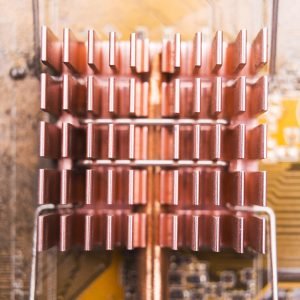
The performance of electrical conductors is heavily influenced by the purity and composition of the base metal used during manufacturing. High‑quality copper conductors typically comply with specifications such as the ASTM B3 copper conductor specification, which defines the requirements for soft‑drawn copper wire used in electrical applications.
Electrolytic copper used for electrical conductors typically achieves a purity level of approximately 99.9%, which enables high electrical conductivity and efficient power transmission. Maintaining this level of material purity is essential for minimizing electrical resistance and preventing overheating during operation.
Audit Readiness for Infrastructure Projects
Electrical materials supplied through Absolute Cablemart Ltd are sourced from reputable manufacturers including Nigerchin Limited and Zhengzhou LP Industry Co., Ltd, both of which operate within internationally recognized manufacturing frameworks.
This traceable sourcing model helps ensure that electrical conductors used in Nigerian projects meet the technical and documentation requirements expected by engineers, contractors, and regulatory authorities.
Importance of Quality Assurance in Electrical Engineering
Reliable quality assurance practices support several critical aspects of electrical system performance:
- Safety Compliance – ensuring conductors meet regulatory standards
- System Reliability – preventing premature cable failure
- Energy Efficiency – maintaining consistent electrical conductivity
- Regulatory Approval – facilitating inspection and certification processes
For these reasons, traceability and quality documentation remain fundamental components of modern electrical engineering and infrastructure development.